Ever tried to sign up for something online and just given up? The form was too long, it felt sketchy, or it took forever to verify that you were who you claimed to be. We've all been there.

That moment of frustration is where businesses lose. In the past, companies viewed identity, logins, sign-ups, and security as a mundane IT issue. Now, it's clear that it’s a business problem. How you let people in is one of the first and most important promises you make. Get it right, and you earn trust. Get it wrong, and they’re gone.
When Your Brand and Your Login Don't Match
Your brand is what you promise. Maybe it's "we're fast and easy," or "we're the most secure."
But your digital identity is how you keep that promise. If your brand says "easy," but your sign-up process is a 15-field form from 2005, you're breaking your promise. If you promise "security," but all you ask for is a simple password that can be easily stolen, you’re not living up to it.
When your digital experience feels clumsy or unsafe, people don't just get annoyed; they also feel vulnerable. They start to distrust your whole company. Companies that win today ensure their digital front door feels as welcoming and secure as their brand promises it to be.
The Tools That Make It Work
This shift isn't just a change in thinking; it's driven by advanced technology that operates in the background.
1. Verification That's Smart, Not Annoying: Instead of just asking for a password, modern systems look at context. Are you logging in from your usual laptop in your typical city? Great, you're in. Are you suddenly logging in from a new phone across the world at 3 AM? The system may require an additional step, such as a face scan or a code from your phone. It's security that adapts to the risk, so it only adds friction when necessary.
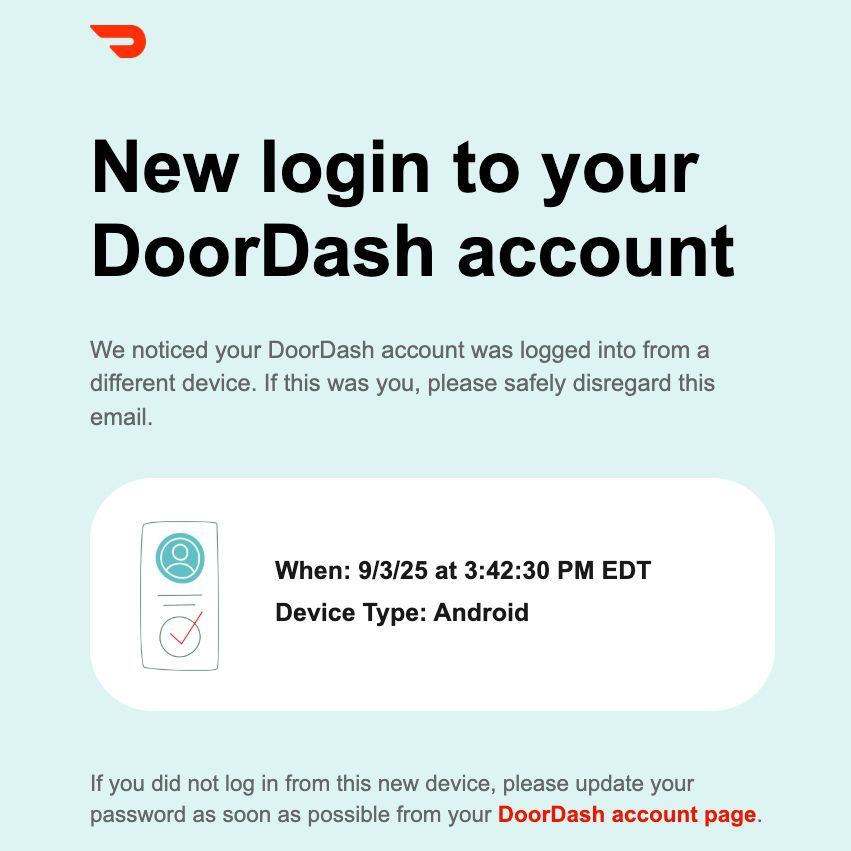
2. Using AI to Spot Trouble: Humans can't watch every login. But AI can. It learns what normal behavior looks like for your users. When it detects something unusual, such as thousands of login attempts from a single location, it can instantly flag or block it. This helps stop fraud before it ever affects a real customer.
3. Digital Wallets (The Next Step): There's also a new idea called decentralized identity, which is still in its early days. Think of it like a digital wallet on your phone that holds a verified driver's license or degree. Instead of filling out forms everywhere, you can prove who you are with a tap. It’s not widely used yet, but it shows where things are headed: giving people more control over their own information.
What You Get When Identity Is Done Right
Focusing on this isn't just about good tech. It’s about real results.
- Happier Customers: A quick and clean sign-up process means more people actually complete it. One study showed that nearly half of all users will abandon a sign-up if it's too complicated. Fixing that is a direct win
- Real Security: Better identity tools mean less fraud and fewer account takeovers. This saves money and, more importantly, protects your customers and your reputation.
- Things Just Run Smoother: When verifications are automated, your team spends less time on manual reviews. Money is saved, and your people can focus on more important work.

Let's Be Honest; It's Not Perfect
Making this change isn’t as simple as flipping a switch.
First, new tech has its own problems. Some facial recognition systems have been shown to exhibit biases, and fingerprint scanners aren't effective for everyone. You have to choose tools that are fair and accessible.
Second, many companies are running on old systems that are difficult and expensive to update. Integrating a modern identity platform with a 20-year-old database is a real challenge.
And finally, you have to get users on board. People are rightly concerned about their privacy. You need to be transparent about what data you're collecting and why you need it to keep them safe.
So, What's the Point?
Treating identity as a core part of the business is no longer optional. Companies that still require users to deal with clumsy, frustrating, and insecure login systems are already falling behind. They’re losing customers before they even get them in the door.
The ones who are getting it right are building trust from the very first click. Their customers feel safe, the experience is smooth, and loyalty follows. It’s simple: if you make it easy and safe for people to connect with you, they will.